
The passing of a loved one often leaves heirs responsible for managing inherited real estate. In many cases, beneficiaries live out of state, already own homes of their own, or simply do not wish to maintain the inherited property long term.
Probate properties frequently represent off-market opportunities because families are navigating emotional, legal, and financial decisions simultaneously. Yet the most successful agents not only sell homes; they help people navigate complex life transitions with clarity, compassion, and practical solutions.

Probate leads also provide agents with a steady, evergreen pipeline of opportunity driven by real-life property transitions rather than fluctuating market cycles. Unlike traditional lead sources that can become saturated quickly, recent probate filings consistently create new opportunities for agents who specialize in helping families navigate estate-related real estate decisions.
With courthouse-compiled probate data, agents can approach conversations with context and professionalism.
Access to ownership details, filing information, property records, and contact data allows agents to have more informed, solution-oriented discussions instead of generic sales conversations. When approached thoughtfully, probate leads create an opportunity to build trust early and position yourself as a knowledgeable resource during a complex transition.
The real opportunity in probate real estate begins when agents move beyond individual transactions and build relationships within the broader probate ecosystem. Attorneys handling estate matters are often one of the first professionals families turn to during the probate process, making them a valuable long-term referral source for agents who demonstrate professionalism, responsiveness, and compassion.
By consistently helping families navigate property-related challenges smoothly and professionally, agents position themselves as reliable partners attorneys can confidently refer to clients when real estate questions arise. Over time, these relationships can become a steady reservoir of referral-based probate opportunities built on trust rather than cold outreach alone.

As homeowners age, changing lifestyle needs often influence future housing decisions. Many seniors — often referred to as “empty nesters” — begin considering smaller homes, lower-maintenance living, assisted living arrangements, relocation opportunities, or moving closer to children and family members. Unlike sellers reacting to market hype or short-term trends, these homeowners are often making thoughtful, life-driven decisions centered around lifestyle, convenience, and long-term planning.
Downsizing seniors also represent a large and growing demographic trend driven by the aging baby boomer population. As millions of homeowners enter retirement age over the next decade, increasing numbers of seniors are evaluating whether their current homes still align with their long-term needs. At the same time, many older homeowners have accumulated substantial equity over decades of ownership, with many owning their homes outright. That financial flexibility often creates smoother transitions and gives seniors more options as they consider downsizing, relocating, or simplifying their living situation.
For real estate professionals, downsizing seniors leads can provide a consistent source of opportunity tied to real-life housing transitions rather than short-term market fluctuations. These transitions are deeply personal and often unfold gradually over time, creating meaningful opportunities for agents who lead with trust, patience, and expertise. Seniors seeking simpler living, reduced upkeep, and greater financial freedom often value professionals who can provide guidance, resources, and practical solutions tailored to their unique needs.
Agents who specialize in working with seniors often bring value far beyond the transaction itself. From coordinating movers and professional organizers to connecting homeowners with estate sale managers and downsizing resources, experienced agents can help simplify what is often an overwhelming process while positioning themselves as trusted advisors during a major life transition.
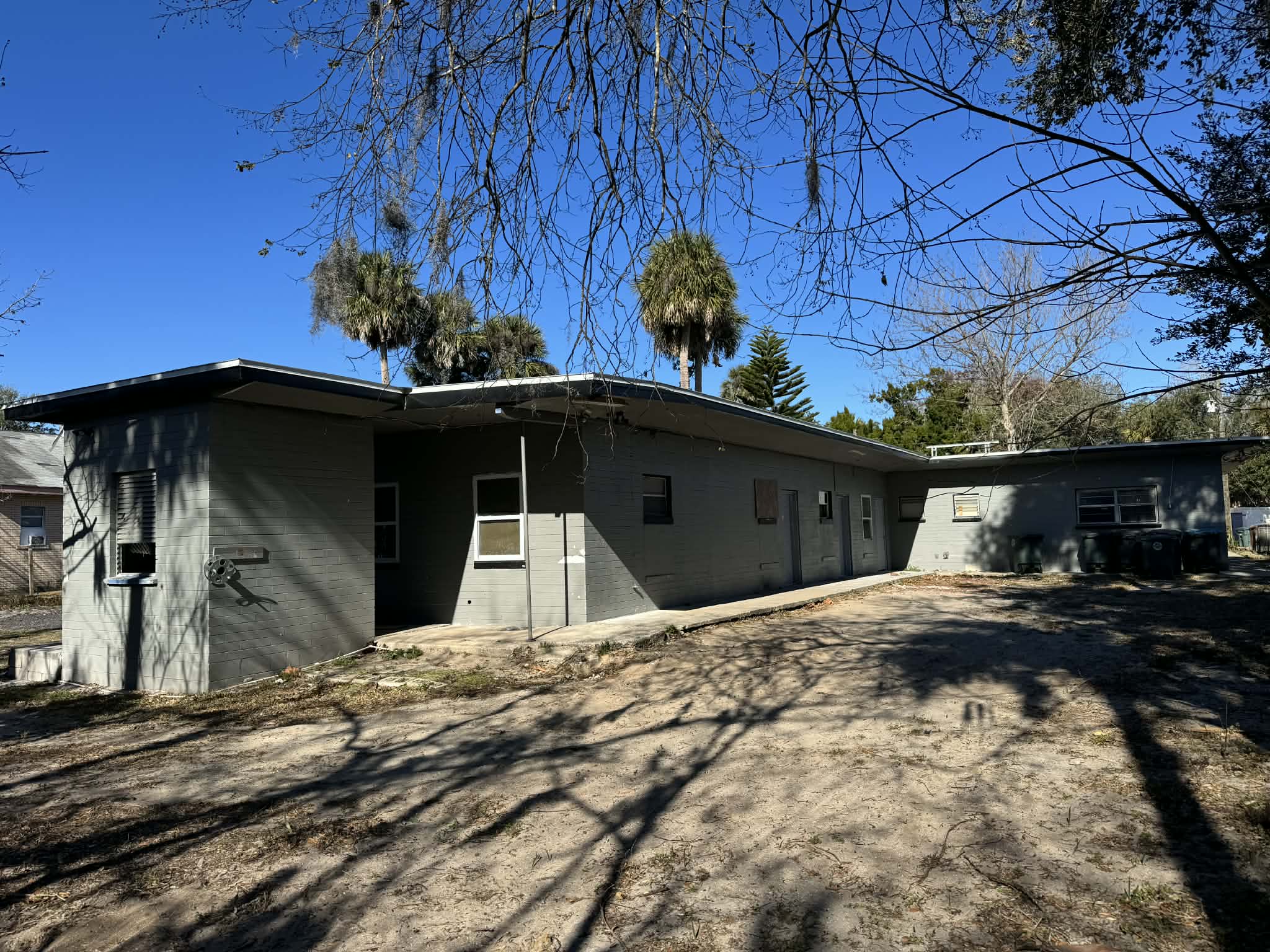
Absentee owners are one of the strongest off-market real estate niches because they often involve properties that no longer align with the owner’s lifestyle, investment goals, or geographic location. These homeowners may live out of state, have inherited a property, grown tired of managing tenants, or simply reached a point where the property has become more of a burden than an asset. In many cases, absentee-owned properties remain off-market until an investor or real estate professional initiates a conversation.
Unlike traditional sellers who actively raise their hand online, absentee owners often represent emerging seller intent that develops gradually over time. Landlord fatigue, deferred maintenance, vacancies, rising costs, and changing financial priorities can all contribute to a future decision to sell. For real estate professionals, absentee owner leads create an opportunity to connect with owners before properties are publicly listed or widely marketed.
Vacant and absentee-owned properties are often considered high-value prospects for investors and agents because they can provide one of the fastest paths to off-market opportunities. Unoccupied homes may signal motivated owners dealing with holding costs, code violations, inherited property challenges, or unwanted real estate assets. Many absentee owners also have substantial equity, particularly long-term landlords who purchased properties years ago and may now be seeking a simpler exit strategy.
Agents who specialize in absentee owner outreach often position themselves as problem solvers rather than salespeople. By helping coordinate repairs, clean-outs, tenant issues, and local property oversight, experienced agents can provide meaningful value while building a steady pipeline of relationship-driven off-market opportunities.